
Sentimental Value, Frankenstein, et al - 52 Film Year - Weeks 23-28
A critical view of filmmakers sees out a rocky year in cinema.

So I failed this challenge to watch a film in the cinema every week of this year. I was going strong until the summer and then life caught up with me (i.e. I got married). Sadly, it wasn’t a great worry for me as the Summer and Autumn months were slim pickings—predictable indie movies and franchise end-cuts.
To finish things off, here are all the other new movies I watched this year in cinema, although the first two here were only available on streaming. There were some good ones to end the year.
KPop Demon Hunters

There’s a CS Lewis quote which people in fandoms love to trot out whenever their intellectual property of interest is deemed childish. Paraphrased, the quote says that worrying about being childish is itself childish and that mature adults can unabashedly enjoy fairytales and other immature fancies. While I understand the sentiment, I think it’s not true. If you’re an adult and the stories which resonate with you the loudest are meant for children, maybe you are just behind in emotional maturity. I don’t think that’s the end of the world—we all develop at different rates—but the desire to compare mature art which incises deep into the human condition with kiddy films is a symptom of intellectual degradation in our culture.
KPop Demon Hunters has been one of this year’s breakout cultural juggernauts. The music has dominated the pop charts and the images and jokes have dominated internet memes. It is a movie for teenage girls, of which I am not, and so it is not for me.
For what it is, it’s a good teen movie. The action sequences are slick and the animation colourfully stylised. The songs are generic but catchy and well-capture their genre. I laughed a decent amount and thought the central conflict was compelling and helps teach teenagers, a demographic prone to guilt and angst, how to move on and be a better person after doing a bad thing.
It’s not perfect. It’s a bit tonally disjointed and the central message is garbled by the fact the main protagonist, Rumi, is sort of learning self-acceptance despite being half ontologically evil and she’s sort of learning to move past guilt even though she’s not actually done anything inherently wrong yet (vs her love interest who has actually done some bad stuff). The movie also heavily sexualises its protagonists which seems undesirable for a kids/teen movie about female empowerment. Although, K-Pop music heavily sexualises its female stars, so that’s faithful to the film’s influences. Yet the K-Pop industry exploits its female stars and disempowers them, but none of that comes through in the film.
Anyway, it’s overall a good teen movie and I would have loved it when I was younger. Now in my 30s, the film is too immature for me to gain deep enjoyment from it and that’s okay. I think that shows I don’t need to be reminded to believe in myself every 10 minutes, which I take as a sign of personal growth.
6/10
Wallace & Gromit: Vengeance Most Fowl
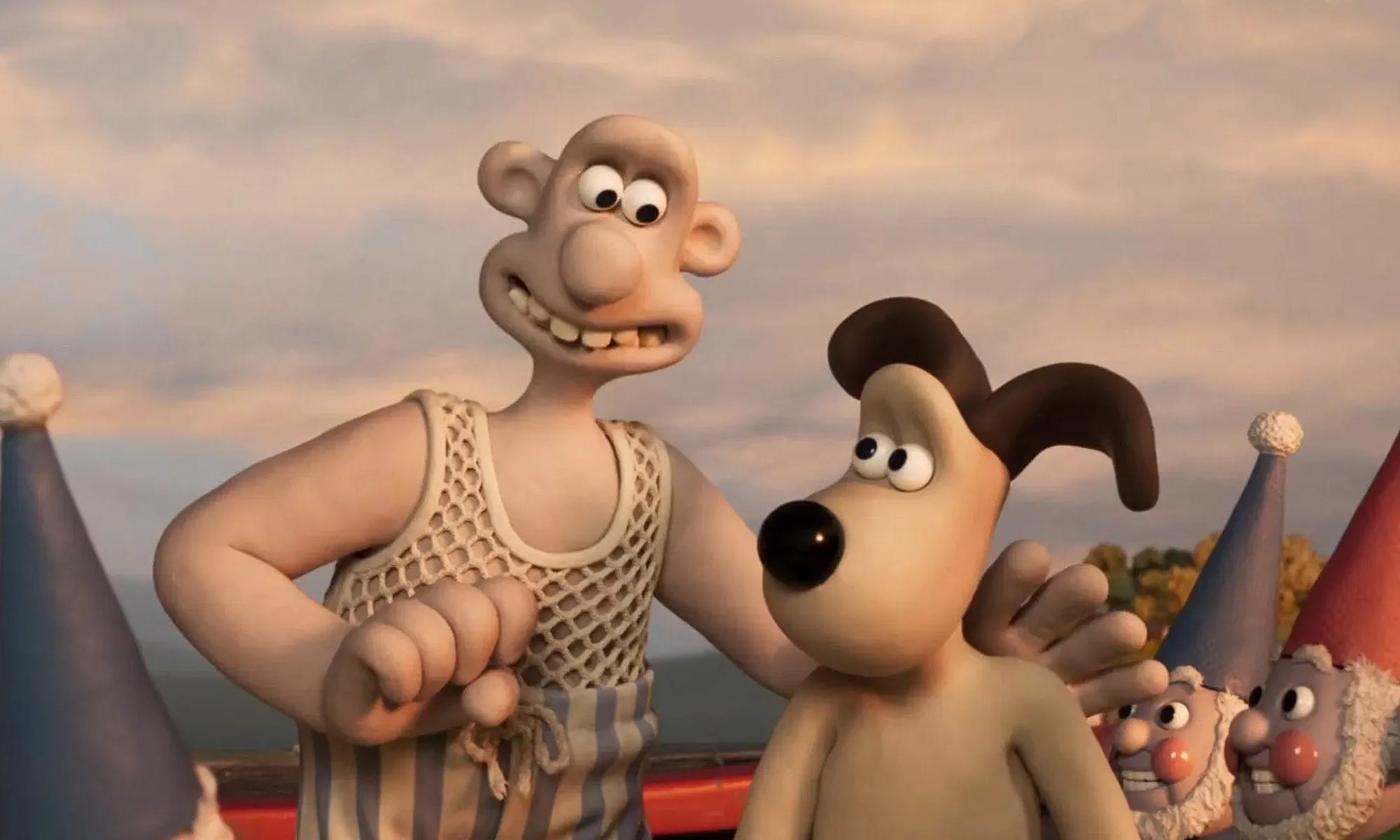
This was a fun romp with tried and tested characters. I think the modern Aardman animation is too sterile and has lost the rudimentary quality which filled the original with charm and life but it still looked good and the humour was sharp.
Wallace & Gromit has been banging on the ‘dangers of technology’ drum for a few decades now and I think it accomplished the goal of its messaging in the 80s and 90s shorts, but the anti-automation message feels more urgent than ever and the series isn’t trend-chasing so I’ll give it a pass.
I do mark the movie down for being too long. These are not profound characters and these modern films forget the concise wit of the original shorts.
6/10
The Smashing Machine
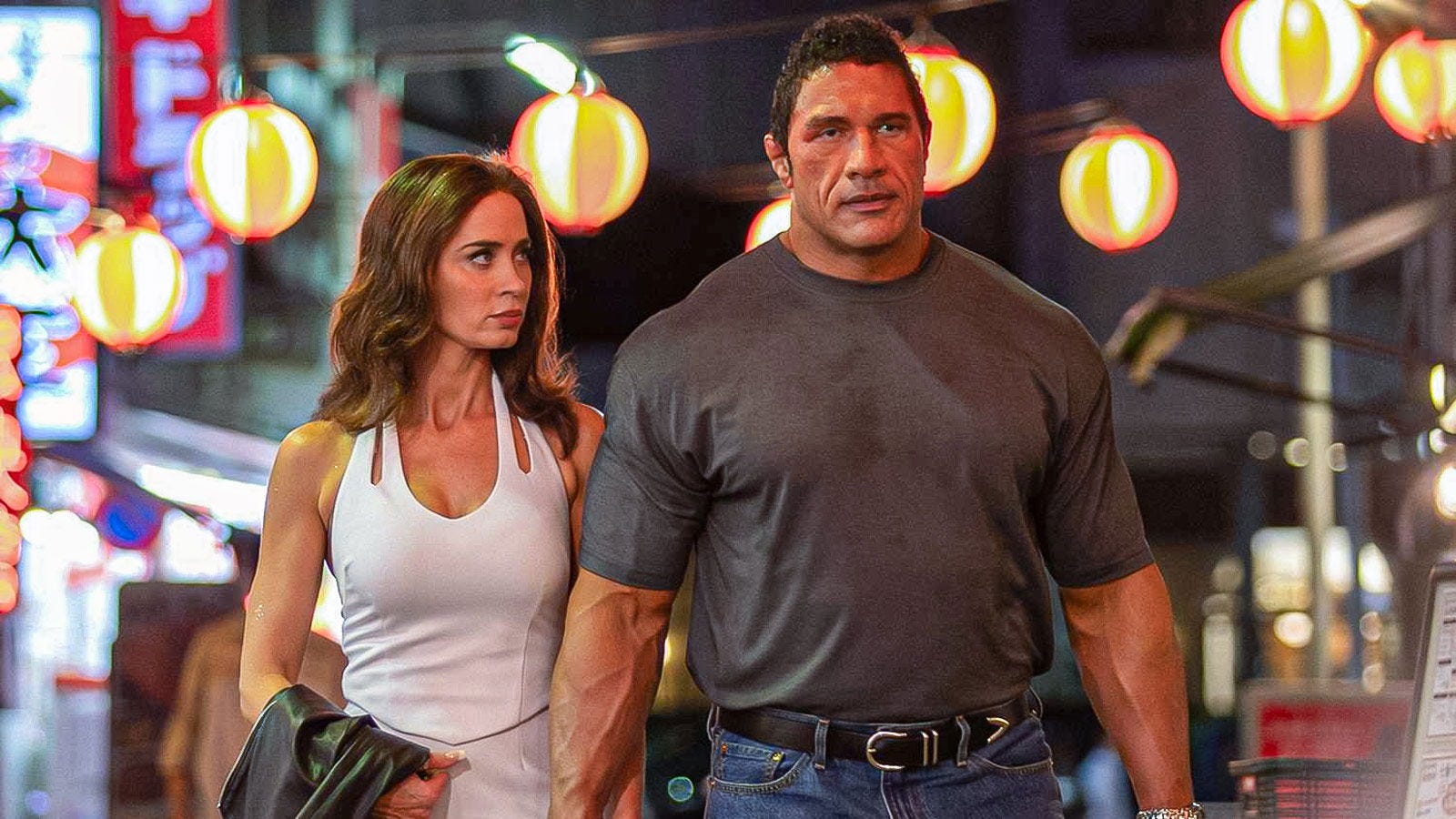
After the dysfunctional A24 wrestling biopic The Iron Claw turned out as a beautiful love-letter to the sport and brotherhood but an agonising exposé of the physical and psychic costs of athletic achievement, I had mixed expectations of The Smashing Machine.
In the last few years, The Rock has been emblematic of everything wrong with cinema: formulaic sequels, cynical reboots, and low-effort actor branding prioritised over artistic achievement. After the catastrophic failure of last year’s garbage Christmas comedy-thriller Red One, it looked like the wheels were finally coming off his cinematic domination.
So how were we to read The Smashing Machine, another A24 sports biopic, this time focused on (some of) the earlier years of Mixed Martial Arts (MMA). Was The Rock finally realising that he could no longer coast? Was it a cynical ploy for him to attain the one cinematic achievement which has remained elusive for him, i.e. critical acclaim? Why is A24, the influential and selective indie film distributor, suddenly desperate to promote films with star power? Are they selling out?
Fortunately, The Rock made an earnest attempt to prove his acting credentials and was a sensible casting choice for the role of Mark Kerr, the once MMA champion who was also as large as steroids can make a man. Bulk is the primary thing The Rock brings to the stage and so he was a fair consideration for the role, but he committed to the part too, and it paid off.
The film is another exploration of the costs of athletic excellence and it does so with seeming honesty and empathy.
To be the best of the best in sport will cost you everything. Everything you eat is regimented; the majority of your time is devoted to training; what you think about, talk about, and who you socialise with is dictated by the sport. If you’re not devoted, then somebody who is will probably best you.
For those who want to be the best, nothing less than obsession is required. The Rock embodies this loud and clear. He probably knows it on a fundamental, personal level—apparently the man works out hours everyday. I believe it! The Mark Kerr he portrays is self-involved to the degree a sportsman has to be. The Mark Kerr he portrays is exacting, of himself and of others. The Mark Kerr he portrays loves wrestling more than anything else in the world.
For those who love those who want to be the best, it can be pretty miserable. You love someone who has to love their obsession. You play second fiddle to what is often a solitary activity (or not an activity you’re involved in). Their (and maybe your family’s) livelihood is dependent on their obsession and unyielding commitment. How can you have fun in your marriage when they are a martyr for their cause? Emily Blunt acts this role brilliantly.
The performances are great. The film looks great—stylish cinematography and I love the execution of the 90s/00s throwback aesthetic. And the direction is sharp—clean editing and good music.
The film isn’t deep or profound and treads familiar territory in this genre, but it does it with verve and precision.
7/10
Frankenstein
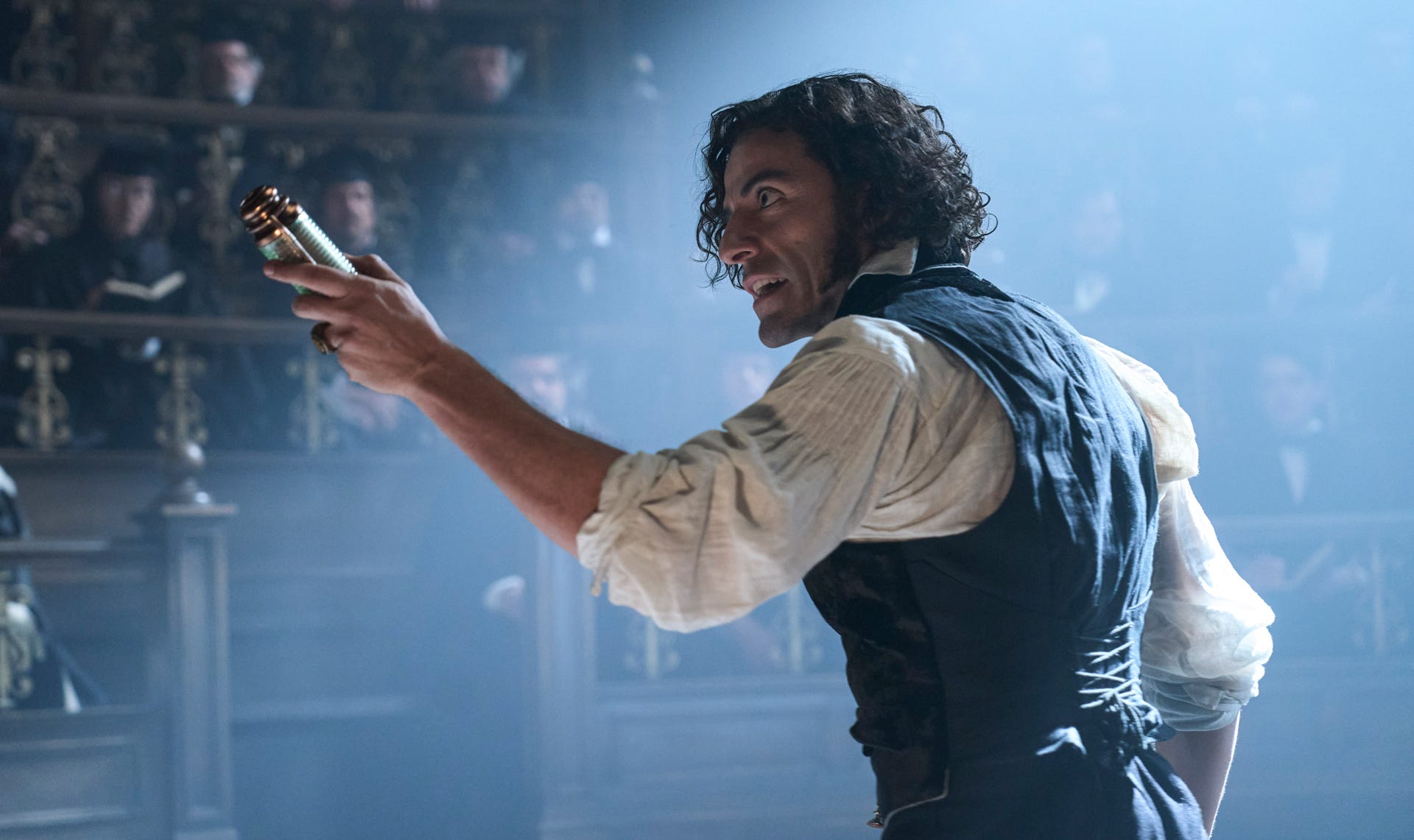
Gratuitously gruesome and sometimes eyeroll-inducing, Guillermo del Toro’s recent adaptation of the classic sci-fi horror Frankenstein commits to the bit and provides a brave, sincere film in an era of coy, self-aware film-making.
The script is operatic and dramatic and determined to be profound. You can tell del Toro poured his heart into this one as every scene oozes with sincerity (and gore). There is nothing subtle about this film. Sometimes that veers into camp, but most of the time it is very entertaining. Besides, del Toro films always feel artificial, intentionally effects-heavy, reminiscent of the sound stage. They are designed to feel like fairytales and that comes with all the trappings of artifice and moralising. All of the sets are vast in scope, detail, and stylisation.
The film takes itself very seriously. That’s not an insult. It wants to tell a timeless story about death and humanity and affirming life. Frankenstein, the original, is a timeless story. Del Toro’s ambitions are commensurate with the source material. Characters say lines which communicate Del Toro’s deep-felt beliefs. They react with strong emotion, feeling deep love and bottomless hate. Jacob Elordi is an arresting monster.
There’s some ridiculous Freudian nonsense and the film must explicitly let you know that Frankenstein, the man, is the real monster. Also, the gore is excessive past the point of any reasonable explanation that ‘you become inured to the horror like Frankenstein does’.
I had a whale of a time though. It felt like an older movie; like a sort that doesn’t get made anymore, where the creator truly believes they are creating one for the ages and brings their ideas without worrying they’ll be cheesy.
8/10
Wake Up Dead Man
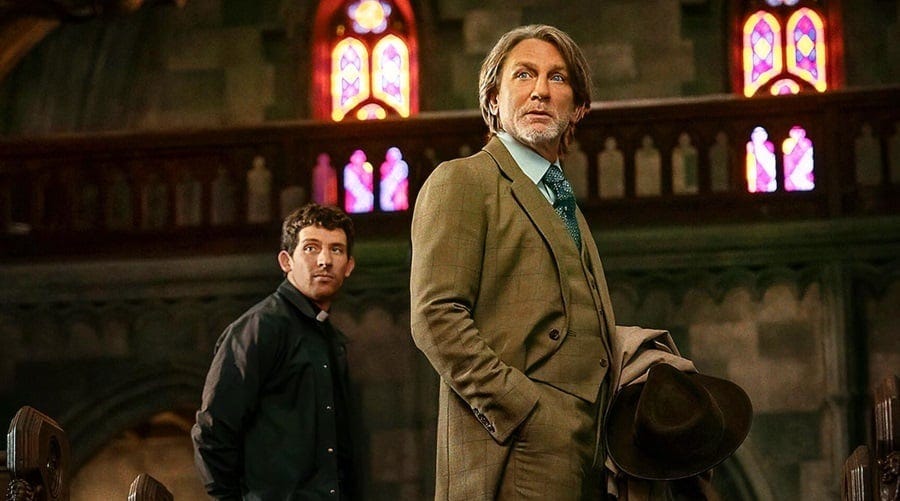
Wake Up Dead Man is the latest in the Knives Out series. The first two movies were enjoyable genre-aware murder-mystery romps in the worlds of the rich and famous. This one shifts the formula with a murder-mystery in a church parish with a charismatic fire-and-brimstone priest offed in a service. Religion is the topic of the day.
This is a strange one. On the one hand, you can tell Rian Johnson has a deep aversion to Christianity due to his religious upbringing. On the other hand, he’s trying very hard to find empathy with his Christian characters because empathy is what creates compelling cinema. The result is a rather tortured film.
The movie tries to be as offensive to Christians as possible. Most uses of the names of Jesus and God are as cuss words. Christian symbols are obliterated with joyful abandon. Christians are, on the whole, treated as idiots, grifters, or hypocrites. Blasphemies are composed with studied precision. It’s real mean-spirited stuff. As a Christian, I was offended, which I’m sure was Rian Johnson’s intention.
At the same time, the film attempts to find value in Christianity. It finds it in the notion of grace central to the Gospel. It recognises how, once we truly contend with our nature as fallen men unworthy of, yet partaking in, grace, the axis on which we engage with other sinners is humbly as desirers of a better world. Once we accept that we are all criminals before God, we cannot be self-righteous. We can only desire others do right because their evil hurts them too. To confess and repent frees us and releases us. The goal and the modus operandi of the redeemed should be to extend grace to those around them because we have undeservedly received such grace from God.
There’s an affecting scene where the protagonist, Father Jud, desperate to clear his name from suspicion, impatiently dismisses a woman. In the next moment, he has a chance to make a real difference in her life and his world is shattered as he realises that he has got so caught up in trying to justify himself in the eyes of the law that he has forgotten his true calling.
There’s some admirable stuff in there, but it’s tenuous because Rian Johnson’s contempt for Christians undercuts a lot of the messaging.
Still, from a technical perspective I have to offer the movie praise. The mystery was truly engaging and satisfying. Intertextual references were used to throw off genre-savvy viewers; I’m glad genre knowledge wasn’t a cheat code. The sets and the framing, the lights and shadows, were stunning. There was a grand gothic feel to the church and surrounding environ. The film also felt consonant with the tone and atmosphere of the original Knives Out while expanding on the world in a fresh way.
It’s difficult to achieve the gothic atmosphere in modern settings but small-town religion works for it. As anyone who grew up in the countryside can tell you, there are rural farming towns where it feels like time froze decades ago and the world moved on without them.
The movie’s cultural commentary didn’t hit so hard. With the recently deceased, Monsieur Wicks, Rian Johnson tried to say something meaningful about the current political moment in the US. The deceased priest is part Trump-esque demagogue, part Christian Nationalist, part right-wing influencer, part grifter, and part small-town conservative preacher. The the character is compelling but there’s too much going on with him symbolically, too much imputed on to him, for anything sharp and meaningful to come through. The US right wing isn’t struggling with figures who are simultaneously opportunistic grifters, true-believing Christian Nationalists, traditional conservatives, white nationalists, and cynical demagogues. The problem with the present US right wing is that it’s an unholy alliance of all those different groups—an elaborate media ecosystem that keeps them all behind one man. It’s a bit too complex to address in a single murder mystery film.
Hard to give this one a rating.
Sentimental Value
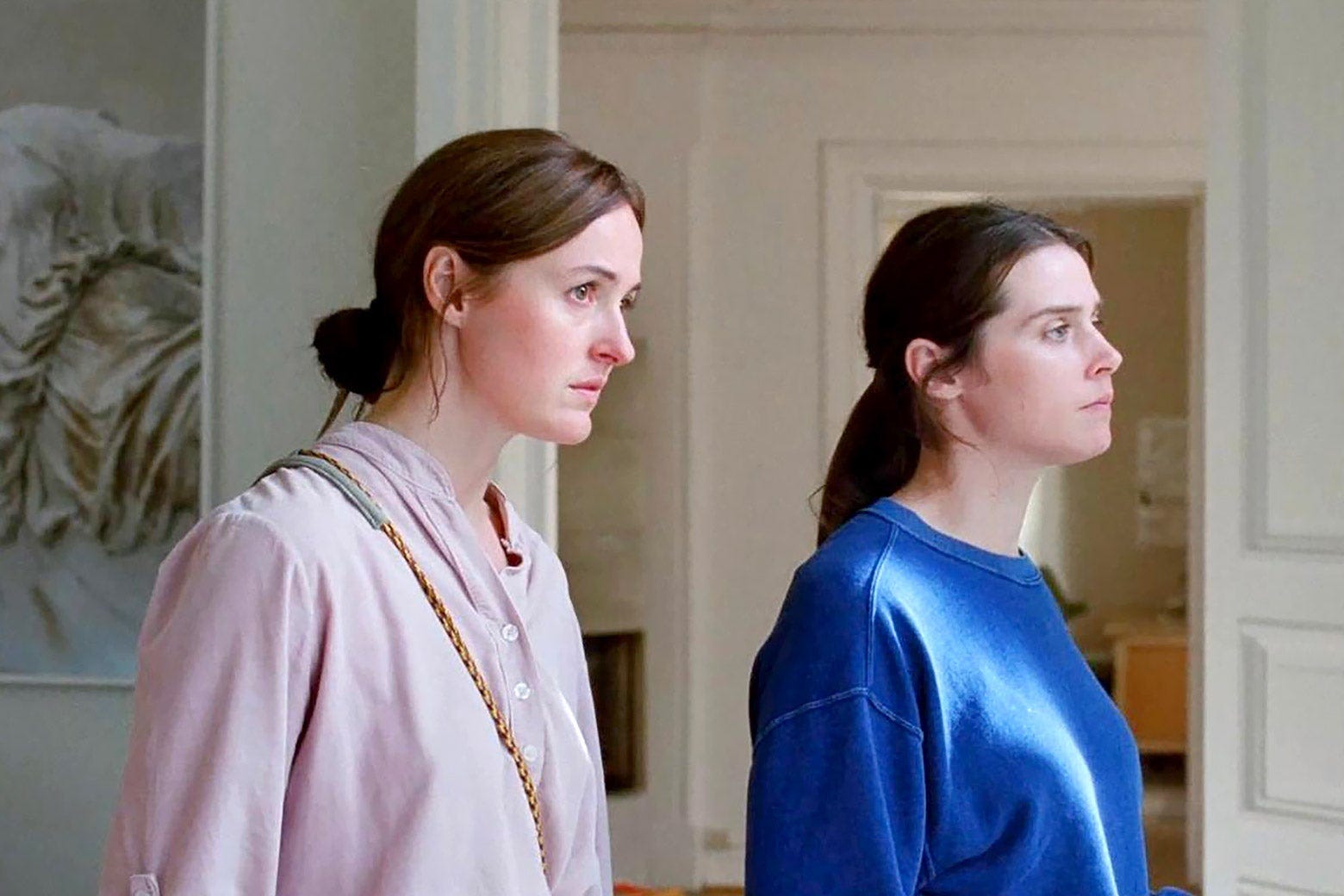
A truly beautiful movie about family tension which lambasts artists.
Such a beautiful father-daughter relationship. One is a film director and the other an actor. Both are incapable of expressing their emotions in a healthy way. One acts and one directs. Both project their emotions onto their work, therein alienating themselves from their thoughts and feelings. They commodify their feelings and that’s their best chance to communicate.
It takes a particular sort of person to bear their soul to the world and that sort of person is not well-adjusted.
Wonderful. Looks and sounds good too.
I love the messaging that empathy and understanding matters little if there’s no action, even if that arises from incapability.
The father is a scummy guy who isn’t excused, but here are the daughters trying to exist with him because everyone only has one father. Very realistic, albeit tragic.
9/10
- N